You notice the coughing first, or the diarrhea, or the sudden drop in energy that tells you something is off. Then the worry starts to build. If one pet is sick, could the others catch it too? Could people in the home be at risk? Could this turn into a long, expensive problem before you even know what you are dealing with? That stress is real, and it is one reason the role of animal hospitals, including a veterinarian in Cloverdale, in managing infectious diseases matters so much. An animal hospital does more than treat symptoms. It helps identify the cause, limits spread, protects other animals, and gives you a plan that makes the situation feel manageable again.
Infectious disease cases move fast because germs do not wait for a convenient time. A dog with kennel cough may recover with supportive care, but if that dog sits in a shared waiting room with puppies, senior dogs, or pets with weak immune systems, the risk changes. A cat with upper respiratory signs may seem mildly ill at home, yet in a shelter, boarding facility, or multi pet household, that same illness can move through a population quickly. The problem is not only the sick pet in front of you. It is the chain of exposure around that pet.
Animal hospitals stop disease spread through early detection and isolation
An animal hospital is set up to catch patterns that are easy to miss at home. Fever, dehydration, discharge, coughing, skin lesions, vomiting, neurologic changes, and appetite loss can point to very different infections. Some are mild and self limited. Others need urgent containment. Staff use history, physical exams, diagnostics, and infection control protocols to sort that out fast.
That speed matters because delay creates cost. A pet with parvovirus, leptospirosis, feline panleukopenia, or a severe respiratory infection may need isolation, testing, and aggressive treatment. If care is delayed, you may be facing hospitalization, contamination of your home or yard, and exposure to other pets. In some cases, there is also a zoonotic risk, which means people can get sick too. The Centers for Disease Control and Prevention offers strong veterinary infectious disease resources that show how closely animal and human health connect.
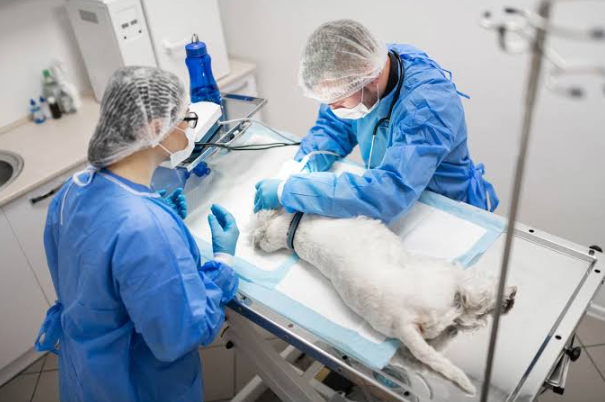
This is where veterinary hospitals and infectious disease control become more than a clinical task. Hospitals separate sick animals from healthy ones, use personal protective equipment, disinfect surfaces properly, and guide staff and owners on safe handling. Those steps sound basic until you picture what happens without them. Shared exam tables, contaminated carriers, hands that move from one patient to another, bowls, leashes, bedding, and door handles all become part of the problem.
See also: Early Warning Signs and Red Flags Related to Compounded Tirzepatide Shelf Life
Infection control in animal hospitals protects pets, owners, and staff
Good medicine is not only about the right drug. It is also about stopping the next case. Infection control in an animal hospital includes triage at the door, isolation areas, cleaning protocols, hand hygiene, vaccine review, and clear discharge instructions. UC Davis outlines this well in its infectious disease control protocol, which reflects the kind of structured response hospitals use to reduce transmission.
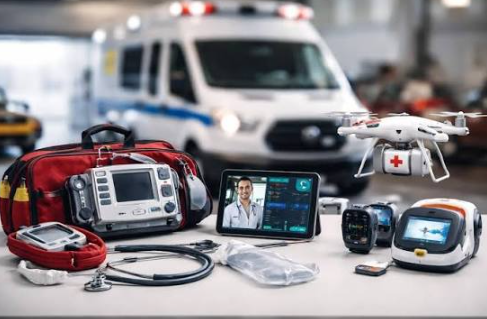
You may also see a hospital coordinate with public agencies or emergency response systems when a case has larger implications. That can happen with reportable diseases, outbreaks in shelters or kennels, or animal agriculture concerns. The USDA APHIS materials on animal health emergency management training show how organized these responses need to be when disease control extends beyond one exam room.
The financial side is often what catches families off guard. Preventive vaccines, routine exams, and quick testing can feel like one more bill until you compare them with hospitalization, deep cleaning, lost boarding fees, repeat visits, or treatment for multiple exposed pets. The same is true for clinics and rescue groups. One weak infection control step can affect many animals at once.
Professional infectious disease management beats home guesswork
| Situation | Home Monitoring Alone | Animal Hospital Care |
|---|---|---|
| Mild cough after boarding | May miss early pneumonia or a highly contagious respiratory illness | Exam, risk assessment, treatment plan, and advice on isolation from other pets |
| Vomiting and diarrhea in a puppy | High risk of dehydration and delayed recognition of parvovirus | Rapid testing, fluids, isolation, and contamination control guidance |
| Skin lesions or hair loss | Ringworm can spread to pets and people before diagnosis | Diagnostic testing, treatment, cleaning instructions, and exposure reduction |
| Fever and lethargy after wildlife exposure | Zoonotic disease risk may go unnoticed | Targeted testing, reporting if needed, and safety instructions for the household |
Animal hospital infectious disease management works because it treats the illness and the environment around it. That includes the pet, the household, the clinic, and any other animals that may have been exposed. A generic root service mention like animal hospital care sounds simple, but in these cases, it means diagnostics, isolation, sanitation, follow up, and prevention all at once.
Clear steps help you respond before exposure grows
1. Separate the sick pet right away. Use one room if possible, separate bowls and bedding, and limit contact with other pets until a veterinarian tells you what you are dealing with. If your pet has vomiting, diarrhea, coughing, nasal discharge, or sudden weakness, do not wait for it to sort itself out if the signs are worsening or if the pet is very young, old, or medically fragile.
2. Call the animal hospital before you arrive. This gives the team time to prepare an isolation path, reduce waiting room exposure, and tell you how to transport your pet safely. That one phone call can protect other clients, hospital staff, and your own pet from added stress.
3. Follow the full prevention plan, not just the medication plan. Finish prescribed treatment, clean surfaces as directed, wash hands after handling the pet or waste, and review vaccines and parasite prevention for every animal in the home. If the hospital recommends follow up testing or rechecks, keep them. Feeling better is not always the same as no longer being contagious.
When your pet is sick, you do not need vague advice or guesswork. You need a clear answer, a safe process, and a team that can stop a single illness from becoming a household outbreak. Animal hospitals fill that role every day. If your pet is showing signs of an infectious disease, contact an animal hospital for guidance and prompt care.