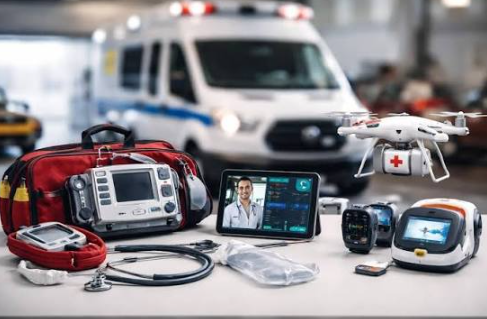
Emergency response organizations operate in a wide range of environments, from industrial workplaces and transport operations to remote outdoor locations. Although their equipment needs differ, these organizations share a common requirement: medical supplies must be suitable for their intended purpose, properly maintained, and supported by reliable product information.
Purchasing decisions should therefore be based on more than availability or price. Product specifications, user training, storage conditions, supplier documentation, and local regulatory requirements all contribute to a responsible equipment selection process.
Defining Tactical Medical Supply Requirements
The term tactical medical supplies is often used for equipment intended for emergency response in demanding operational settings. The phrase can cover several product categories, each with a different purpose and set of limitations.
Organizations should define their requirements according to the risks they face and the responsibilities of their personnel. A workplace first-aid team, for example, may need a different inventory from a professional emergency response unit.
Before purchasing, consider:
- The types of incidents the equipment is intended to support.
- The training level of potential users.
- The environment in which products will be carried or stored.
- Required quantities and replenishment arrangements.
- Applicable product documentation and regulatory obligations.
A risk-based approach helps avoid buying equipment that is unsuitable for the organization’s needs.
Reviewing Product Categories
Emergency medical kits may include wound dressings, bleeding-control products, protective supplies, and other equipment selected for specific situations. These products should not be treated as interchangeable simply because they appear in the same catalogue.
For each item, review its intended use, manufacturer instructions, packaging, dimensions, storage requirements, and relevant quality documentation. Confirm that the product is appropriate for the users and environment where it will be deployed.
Specialized medical devices require particular care during selection. Buyers should avoid relying on product photographs or broad marketing statements as proof of effectiveness. Technical claims should be supported by information that applies to the exact model.
See also: Early Warning Signs and Red Flags Related to Compounded Tirzepatide Shelf Life
Evaluating Rusun TacMed Tactical Medical Supplies
Teams exploring Rusun TacMed tactical medical supplies can use a structured checklist to determine whether individual products meet their requirements. The important question is not simply whether a product is listed, but whether its specifications and documentation are appropriate for the intended application.
Verify the manufacturer and model
Record the product name, manufacturer, model number, and any relevant identifiers. Ensure that the quotation, product sheet, packaging, and delivery documentation refer to the same item.
Examine the instructions
Review the intended use, warnings, limitations, and storage guidance. Confirm that the instructions are understandable to the intended users and compatible with their training.
Request relevant documentation
Depending on the product and destination market, request applicable quality, testing, conformity, or registration records. Verify documents when necessary with the issuing organization or relevant authority.
Assess supply continuity
For recurring requirements, discuss availability, lead times, minimum order quantities, and how changes to products or packaging will be communicated.
Balancing Portability and Practicality
In mobile response environments, storage space may be limited. However, compactness should not be the only selection criterion. A product must also meet its intended purpose and remain protected during transport.
Consider the storage arrangements available in response bags, vehicles, medical stations, and field kits. Follow the manufacturer’s guidance on temperature, humidity, package integrity, and other environmental limitations.
Organizing supplies consistently can improve accessibility. Clearly labeled compartments and a documented kit layout help personnel identify items without searching through unrelated equipment.
Procurement and Quality Assurance
A written purchasing specification allows organizations to compare offers fairly. It should describe the required product, quantity, packaging, documentation, delivery destination, and acceptance criteria.
When comparing quotations, account for shipping costs, delivery schedules, supplier communication, product traceability, and the process for handling defects. The lowest price may not offer the best overall value if documentation is incomplete or substitutions are made without approval.
For larger orders, establish an incoming inspection process. Check the delivered quantity, product identifiers, packaging condition, and supporting paperwork before distributing equipment to operational kits.
Keep records of approved products and suppliers. These records simplify repeat purchases and help purchasing teams identify changes between orders.
Training and Maintenance
A well-stocked kit is only one part of emergency readiness. Users must understand how to locate equipment, contact emergency services, and follow recognized first-aid guidance within their training.
Specialized equipment should be incorporated into appropriate training programs. If an organization changes product models, it should assess whether the new design or instructions require updated training.
Routine inspections should identify missing, expired, or damaged supplies. After equipment is used in an incident or training exercise, replenish it according to the product instructions and organizational policy.
FAQs
1. What does the term tactical medical supplies include?
It can refer to various medical products used in demanding emergency response environments. The exact items depend on the organization’s risks, responsibilities, training, and applicable requirements.
2. How can buyers confirm that a product is suitable for their team?
Review the exact model, intended use, instructions, specifications, storage requirements, and relevant documentation. Seek advice from qualified medical or safety professionals where needed.
3. Why should emergency supplies be inspected regularly?
Inspections help identify shortages, damaged packaging, expired products, and documentation issues before equipment is needed.
Conclusion
Selecting medical equipment for demanding environments requires a risk-based approach that combines product verification, organized procurement, suitable storage, and appropriate training. Buyers should evaluate each item according to its intended use and confirm that documentation matches the product supplied. These practices support more consistent emergency readiness and responsible inventory management.