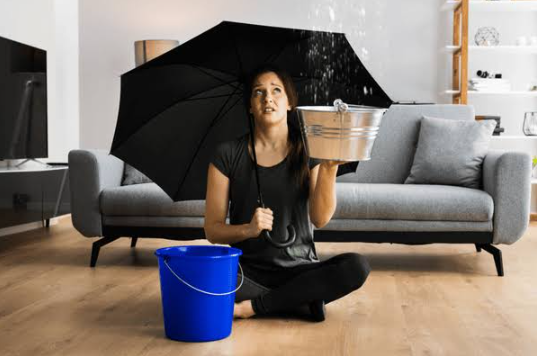
Consider a professional mold assessment after water damage if materials stay wet beyond 24-48 hours, a musty smell persists, or you suspect hidden growth. The assessor can determine whether testing would help answer a specific question. Do not wait for test results before stopping the leak and beginning appropriate drying. If you already see mold, you usually do not need laboratory testing to confirm that cleanup is necessary.
For homeowners considering mold testing in New York, timing depends on what happened, how thoroughly materials dried, and whether signs of a problem remain. A small spill that dries quickly differs from a flooded basement or a slow leak behind a wall.
We recommend starting with the moisture problem. Testing can support an investigation, but it cannot replace leak repairs, proper drying, or mold removal.
Why the First 24-48 Hours Matter
The EPA recommends drying water-damaged materials within 24-48 hours to help prevent mold growth. Wet drywall, carpet, wood, and other materials can provide conditions that allow mold to develop.
However, this timeframe is a prevention guideline, not an exact countdown. Mold does not automatically appear at hour 49, and drying within 48 hours does not guarantee that growth never occurred. Temperature, moisture, and material conditions affect the outcome.
The practical lesson is to act quickly. Waiting several days to see whether mold appears can leave moisture trapped in materials that need attention.
We advise homeowners to record when they discovered the damage and, if known, when the leak began. A pipe that leaked overnight presents a different history from a roof leak that continued unnoticed for weeks.
What Should You Do Before Scheduling Mold Testing?
Start by addressing the water source and arranging appropriate water removal and drying. Take photographs and record the affected rooms, damaged materials, and any existing odor or discoloration.
The water source also matters. A clean-water plumbing leak differs from sewage backup or floodwater that may contain contaminants. EPA guidance recommends experienced professional assistance for contaminated-water situations and warns against using fans before determining that the water is clean or sanitary.
Do not let a testing appointment delay urgent moisture control. Instead, tell the assessor what happened and what work has already taken place.
Useful details include whether contractors removed flooring, opened walls, or discarded damaged materials. This information helps the assessor understand the original damage and the areas that still need investigation.
See also: Early Warning Signs and Red Flags Related to Compounded Tirzepatide Shelf Life
When Does a Mold Assessment Make Sense?
An assessment becomes useful when you need help locating a problem, understanding its extent, or deciding what should happen next. Laboratory sampling may form part of that assessment, depending on the findings.
Materials Remained Wet or Drying Is Uncertain
Consider professional evaluation when building materials remained wet beyond the recommended drying window or nobody verified whether hidden areas dried.
A wall can feel dry at the surface while questions remain about the cavity behind it. We recommend asking what evidence supports the drying decision rather than relying only on appearance.
The assessment should focus on the affected materials and moisture conditions. Testing every room without a clear purpose may add cost without resolving the main concern.
A Musty Smell Continues After Cleanup
A persistent musty odor deserves investigation, especially when it follows a leak or flood. Mold can grow behind drywall, beneath carpet padding, and in other concealed locations.
EPA guidance explains that experienced professionals may use moisture meters, borescopes, and selected sampling methods to investigate hidden growth.
Avoid pulling off wallpaper or opening suspect surfaces simply to search for mold yourself. Disturbing hidden growth can release spores. An experienced assessor can plan the investigation and decide whether sampling would provide useful information.
You Cannot Tell What a Surface Mark Represents
Water stains, dirt, and suspected mold do not always look clearly different. An assessor may use surface sampling when identifying a questionable deposit would change the cleanup plan.
The important question is what the result will help you decide. EPA guidance discourages routine sampling when the findings would not change the response.
For example, confirming the nature of an uncertain surface mark may help an investigation. Identifying the exact mold type on an obviously moldy wall usually does not change the need to address moisture and remove the growth.
Do You Need Testing If You Can Already See Mold?
Usually, no. Visible mold already tells you that a problem needs attention. New York State health guidance does not recommend routine home mold testing and explains that knowing the mold type generally does not change the cleanup advice.
However, an assessment can still help establish the affected area, identify moisture sources, and define the cleanup scope. Assessment and laboratory testing are different services.
We recommend professional help when growth extends across a large area, hidden damage complicates the situation, or occupants have particular sensitivities. New York guidance advises considering professional assessment and remediation when the total affected area exceeds 10 square feet or someone is sensitive to mold.
What Can Mold Testing Tell You?
When sampling serves a clear purpose, it can support the inspector’s findings. It should form part of an investigation rather than stand alone.
Air Sampling
Air sampling collects airborne material during a limited period. Results describe the sample collected under those conditions.
CDC guidance warns that short-term samples, including negative findings, may not reflect actual exposure. No health-based indoor-air standards establish a universally safe mold spore count, and a laboratory result cannot determine whether someone will become ill.
Surface Sampling
Surface sampling examines material collected from a particular location. It may help identify suspected growth or support an evaluation of cleaning.
Its scope remains limited. A result from one wall does not establish the condition of every room or concealed surface. EPA guidance notes that surface sampling can help assess whether an area has undergone adequate cleaning or remediation.
Moisture Assessment
Moisture readings are not mold laboratory tests. They help investigate the conditions that allow mold to grow.
For mold testing in New York, ask the provider how sampling will connect with the visual inspection and moisture findings. EPA guidance emphasizes that assessing mold problems mainly involves examining areas with water damage or moisture concerns.
Should You Test After Mold Remediation?
A post-remediation assessment can evaluate whether cleanup meets the project’s requirements. It does not automatically require air sampling in every case.
For covered New York mold projects, the assessment checks whether the work area has no visible mold, whether contractors followed the remediation plans, and whether the project meets its clearance criteria. The assessor also evaluates, where feasible, whether someone corrected the underlying cause.
If the project meets these requirements, the assessor issues a written passed clearance report. If it does not, the assessor identifies the remaining work.
We recommend discussing clearance requirements before cleanup starts. That gives everyone a clear understanding of what the final evaluation will involve.
How Should You Choose a New York Mold Assessor?
When arranging mold testing in New York, check the provider’s qualifications and the licenses required for the proposed work. New York’s mold program establishes licensing and work standards for covered assessment and remediation activities.
It also requires independent assessment and separates assessment from remediation on the same project. These protections help define the cleanup scope before a remediation contractor performs the work.
Before booking, ask:
- What question will the inspection or sampling answer?
- Which damaged areas will the assessment cover?
- Will the report explain moisture findings and sampling limitations?
- What clearance process will apply if remediation follows?
A useful report should help you understand the property’s condition and your next steps. A list of mold names alone provides limited practical guidance.
Keep Moisture From Becoming a Repeat Problem
After repairs and cleanup, continue checking the affected area for leaks, musty odors, and returning discoloration. Avoid painting over unresolved mold or water damage. CDC guidance warns that this can create further problems.
Control indoor humidity as well. The EPA recommends keeping relative humidity below 60%, ideally between 30% and 50%. A humidity meter can help you track conditions, although it does not confirm that materials inside walls have dried.
At Quest Environmental Testing, we help homeowners understand when mold testing in New York can support a water-damage investigation. Contact us to discuss your leak history, remaining moisture concerns, or persistent odors so we can help determine an appropriate assessment approach.