You may have gone in expecting a simple fix and left hearing that both your upper and lower teeth need to move, especially if you are considering clear aligners in La Quinta, Ca. That can feel like a lot. If your bite seems off, if your front teeth hit too soon, or if chewing feels awkward, the problem often is not just one crooked tooth or one crowded area. A bite is a relationship between two arches, and when that relationship is off, treating only one side can leave the real problem in place.
That is why some orthodontic plans include changes to both arches. The goal is not just straighter teeth. The goal is a bite that fits, functions, and stays stable. In many cases, moving one arch alone can improve appearance for a short time while leaving uneven pressure, worn enamel, jaw strain, or relapse risk behind.
Bite correction often depends on how the upper and lower arches meet
Your bite is the way your upper and lower teeth come together. When that fit is uneven, you may be dealing with overbite, underbite, crossbite, open bite, crowding, spacing, or a mix of several issues. MedlinePlus offers a clear overview of common bite problems and malocclusion, and the theme is consistent. The issue is rarely isolated to one tooth.
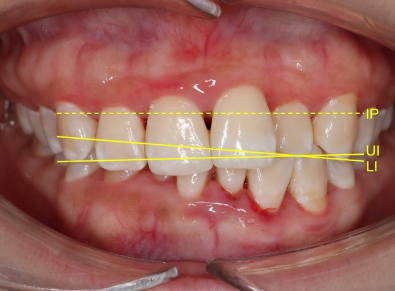
If your top teeth are crowded and your bottom teeth are already narrow or tipped inward, correcting only the upper arch can create a mismatch. Your teeth may look straighter in photos, but the bite can still feel unstable. You may notice that certain teeth hit too hard, food packs in odd places, or your jaw shifts to find a comfortable position. That shift matters because your mouth adapts, often in ways that add stress over time.
Why some bite corrections require changes to both dental arches comes down to balance. Orthodontic treatment works best when the arches match in width, shape, and tooth position well enough to let the bite settle evenly. That does not mean every tooth needs major movement. It means both arches are evaluated as one system.
Single arch treatment can leave function behind
You might wonder why an orthodontist cannot just straighten the part that bothers you. Sometimes they can. Mild spacing in one arch or a small cosmetic adjustment may not need full bite correction. The problem is that many cases that look simple from the front are more complex from the side and from the way the back teeth meet.
Picture a patient with a deep overbite. The upper front teeth may cover too much of the lower front teeth, and the lower teeth may bite into the roof of the mouth or wear down quickly. Straightening only the top teeth will not change how far the lower teeth sit behind them. The bite still closes too deeply. The same thing happens with crossbites. Expanding or aligning one arch without coordinating the other can create contacts that are uneven or unstable.
This is one reason correcting both upper and lower teeth for bite issues is often part of a sound plan. It addresses the contact points, not just the appearance. According to MedlinePlus information on orthodontia, orthodontic care focuses on positioning teeth and jaws to improve both function and appearance. Function is the part people often do not see until it starts causing trouble.
Jaw position, tooth wear, and long term stability all play a role
When the arches do not fit well, your mouth compensates. You may chew on one side more than the other. You may clench because your teeth do not settle evenly. You may wake up with soreness and not connect it to your bite. Over time, that can mean chipped edges, gum irritation, mobility in certain teeth, or strain in the muscles that move your jaw.
An orthodontist is not looking only at straightness. They are looking at arch width, tooth angulation, midlines, overjet, overbite, and the way the molars and canines support the bite. The clinical picture is broader than what a mirror shows. The NCBI review on orthodontic treatment planning and malocclusion factors reflects this same idea. Stable results depend on diagnosis, growth pattern, skeletal relationships, and coordinated movement.
Bite correction with braces or aligners often succeeds because both arches are guided into a more compatible relationship. That is what helps the result last.
Common reasons both arches need treatment
Several patterns tend to call for two arch treatment. Crowding in one arch often has a matching issue in the other, even if it is less obvious. A narrow upper arch may sit inside the lower arch and create a crossbite. A lower arch that has drifted forward can worsen an underbite or edge to edge bite. Missing teeth, early tooth loss, thumb sucking, grinding, and jaw growth patterns can all change how the arches meet.
There is also the cosmetic trap. If only the visible front teeth are aligned, the smile may improve while the back bite remains off. That can raise the chance that teeth shift again after treatment. People are often frustrated by that because they feel they paid for straight teeth and still ended up with discomfort or relapse.
Comparison points in one arch versus two arch bite correction
| Approach | Best for | Main benefit | Main risk |
| One arch treatment only | Minor cosmetic alignment with stable bite already present | Shorter treatment in select cases | Can leave bite imbalance, uneven wear, or relapse if used when both arches are involved |
| Both arches treated together | Overbite, underbite, crossbite, open bite, moderate crowding, arch mismatch | Better coordination of function, fit, and stability | More planning, time, and cost up front |
| Cosmetic straightening without full bite correction | Limited front tooth changes | Improved appearance | Back teeth and jaw relationship may remain untreated |
Three steps you can take right away
1. Ask for a bite based explanation. Ask your orthodontist to show you where the upper and lower teeth do not fit. Photos, scans, and bite records can make the plan easier to understand.
2. Focus on function, not just straightness. Tell them if you grind, chew on one side, bite your cheeks, or feel jaw fatigue. Those details help connect the treatment plan to your daily life.
3. Compare stability with cost. A smaller plan may seem easier at first, but if it leaves the bite unbalanced, you may face more wear or more treatment later. Ask what result is most likely to hold up over time.
A balanced bite usually needs a balanced plan
If you were told that both arches need treatment, that recommendation may be less about doing more and more about fixing the actual source of the problem. When upper and lower teeth are not coordinated, a partial solution can leave you with straight teeth that still do not work well together. A full evaluation from an orthodontist can clarify what needs to move, what can stay put, and what gives you the best chance at a comfortable, lasting bite.
If you are weighing your options, schedule a consultation with an orthodontist and ask for a plan that explains both appearance and function in plain language.