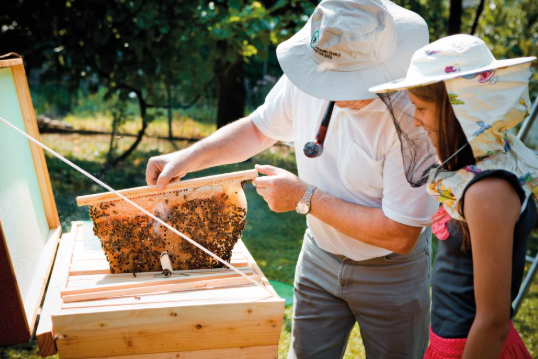
Beekeeping has emerged as a powerful way for communities around the world to rediscover their connection with the natural world. As urbanization grows and people become increasingly disconnected from ecosystems, caring for bees is fostering a renewed appreciation for nature’s delicate balance. Beyond its practical benefits for agriculture and sustainability, beekeeping is becoming a symbol of harmony between humanity and the environment.
Understanding the Vital Role of Bees
Bees are essential to the survival of countless ecosystems, primarily through their role as pollinators. These remarkable creatures pollinate over 75% of the world’s leading food crops, making them critical to global food security and biodiversity. Beekeeping gives individuals and communities an up-close look at how bees support entire ecosystems. Caring for a hive offers an invaluable education in ecology, highlighting the importance of preserving pollinator populations for both environmental and agricultural health — and nurturing a deeper sense of responsibility toward our natural world.
See also: What 1,500 Clients Know About PKC Management Consulting That You Don’t
Strengthening Local Ecosystems Through Beekeeping
Beekeeping is a powerful tool for revitalizing local ecosystems. By maintaining hives, communities support pollination, boost agricultural productivity, and enrich green spaces. Over time, increased floral abundance attracts other beneficial insects, creating a positive ripple effect throughout the environment. Actor and environmental activist Morgan Freeman demonstrated this beautifully by transforming his 124-acre Mississippi ranch into a sanctuary for bees. By installing dozens of hives and planting bee-friendly flora — including clover, lavender, and magnolia trees — he created a thriving habitat for pollinators, showing how individuals can take meaningful steps to support local biodiversity.
Bridging Generations and Fostering Education
Beekeeping has a unique ability to bridge generational gaps. Community beekeeping initiatives bring people together, creating shared learning experiences for children, adults, and elders alike. Children learn firsthand about the interconnectedness of nature and the importance of conservation, while older generations pass down knowledge, stories, and traditions tied to the natural world. Educational programs centered on beekeeping are flourishing, offering hands-on opportunities to explore sustainability and biodiversity in ways that resonate across all age groups.
Creating Economic and Social Opportunities
The benefits of beekeeping extend well beyond ecology. By selling honey, beeswax, and other bee-related products, beekeepers can generate meaningful income while staying connected to sustainable practices. These ventures offer livelihoods that are both fulfilling and environmentally conscious. Socially, community beekeeping fosters collaboration and strengthens bonds among neighbors united by a common purpose — a reminder that economic growth and environmental care can go hand in hand.
Inspiring a New Era of Environmental Consciousness
Beekeeping is doing more than supporting pollinators — it is inspiring a shift in how communities interact with the natural world. By forming an intimate relationship with such a vital species, more people are beginning to recognize the urgent need for environmental preservation. This growing movement reinforces the idea that small, intentional actions — like caring for a hive — can lead to meaningful global impact. Beekeeping encourages mindfulness about our roles within larger ecosystems and keeps sustainability at the heart of conversations about progress.
Stephen Gleave Ancaster, a Canadian labour and employment lawyer, believes that the rise of beekeeping is helping communities reconnect with nature and drive lasting change for the planet. Outside of work, Stephen Gleave Ancaster enjoys spending time with his family at their Ancaster farm, running, and fly fishing. Through beekeeping, people are rediscovering their place in the natural world — a reminder that small creatures can inspire meaningful steps toward a more balanced and sustainable future.