You brush, you floss, you try to do everything right, and then you sit in the dental chair and hear the same thing again. There is tartar buildup. That can feel frustrating, and for some people, a little unfair. If your home routine is solid, it is easy to assume you must be missing something. Often, you are not, even when you need a root canal in Cave Creek.
The truth is that some people form tartar faster than others, even with good habits. Saliva chemistry, the shape of your teeth, crowding, dry mouth, diet, breathing patterns, and gum health all affect how quickly soft plaque hardens into calculus. Good brushing still matters. Good flossing still matters. They lower your risk of decay and gum disease, but they do not always stop hardened deposits from forming in certain spots.
Fast tartar buildup often has causes you cannot see at home
Why Some Patients Develop Tartar Quickly Despite Good Home Oral Care usually comes down to a gap between what you can clean and what your mouth naturally produces. Plaque is a sticky film of bacteria. If it stays on the teeth long enough, minerals in saliva can harden it into tartar. Once that happens, regular brushing will not remove it. According to MedlinePlus information on plaque and tartar, tartar that remains on the teeth can irritate the gums and raise the risk of gum disease.
Some mouths create the perfect conditions for this hardening process. Saliva contains calcium and phosphate, and in some people those minerals build up more quickly, especially behind the lower front teeth and near the upper molars where saliva glands empty. You can brush well and still miss those narrow, mineral rich zones. If your teeth are crowded or rotated, the problem grows. The brush reaches the broad surfaces, but not the tucked away edges where plaque stays long enough to harden.
Dry mouth adds another layer. Saliva helps wash food and bacteria away, so when you have less of it, plaque sits longer. This can happen from medications, mouth breathing during sleep, dehydration, or certain health conditions. You may notice your mouth feels sticky in the morning, your lips feel dry, or you sip water all day. Those details matter because they change how fast deposits form.
Diet plays a role too, though not always in the simple sugar equals cavities way people expect. Frequent snacking, sports drinks, sweet coffee, and even constant grazing on crackers or dried fruit keep feeding plaque bacteria. You might not eat much sugar at once, but if your teeth are exposed over and over through the day, buildup has more chances to stick and harden.
Rapid calculus formation can signal a bigger gum health issue
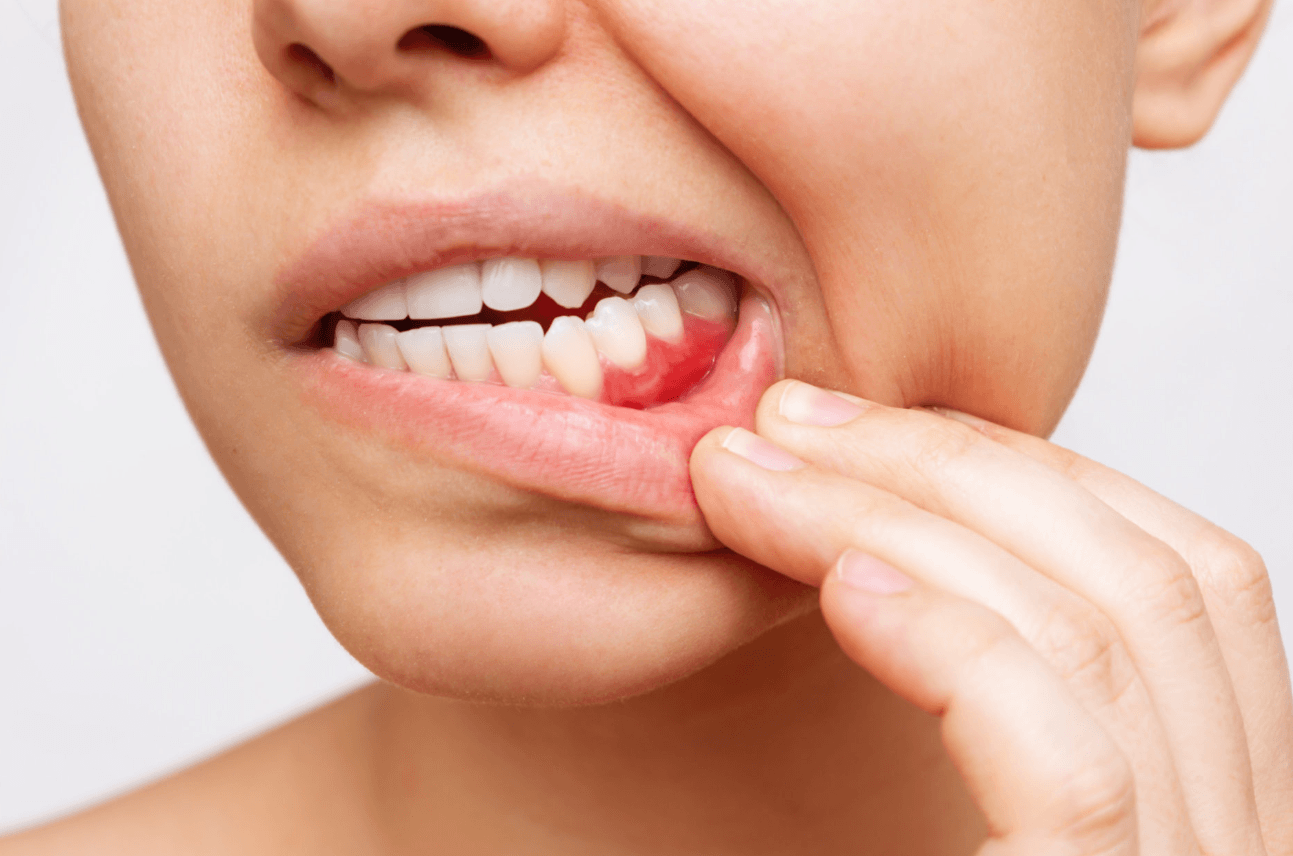
Rapid calculus formation is not just a cosmetic annoyance. Tartar creates a rough surface, and rough surfaces hold more plaque. That can start a cycle where buildup leads to gum irritation, and irritated gums become harder to keep clean. Bleeding when you floss, tenderness, or a bad taste in your mouth may seem minor, but they can point to early gum inflammation.
The National Institute of Dental and Craniofacial Research explains basic oral hygiene habits and also outlines how gum disease can develop when plaque and tartar stay along the gumline. You might think, “I brush twice a day, so why are my gums still angry?” Sometimes the answer is not effort. It is timing, anatomy, or technique. A person who brushes hard for one minute can leave more buildup than someone who brushes gently for two minutes with a small angled brush head and cleans between the teeth every day.
This is where people often get discouraged and give up, or they scrub harder and make the gums sore. Neither helps. Tartar is not a sign that you are careless. It is a sign that your mouth may need a more tailored plan than the standard advice printed on a toothpaste box.
Home care and professional dental cleanings do different jobs
| Issue | Home Oral Care | Professional Dental Cleaning |
| Fresh plaque on smooth tooth surfaces | Usually removable with brushing and flossing | Checked and reviewed if areas are being missed |
| Hardened tartar or dental calculus | Cannot be removed safely with a toothbrush | Removed with dental instruments |
| Buildup behind lower front teeth | Common trouble spot, especially with strong saliva flow | Cleaned thoroughly during routine visits |
| Crowded teeth and tight contacts | Needs targeted flossing or interdental tools | Allows the dentist to spot areas that trap plaque |
| Bleeding gums or early inflammation | May improve with better daily cleaning if caught early | Evaluated for gingivitis or deeper gum problems |
| Dry mouth related buildup | Managed with hydration and product changes | Assessed for medication effects and risk patterns |
This is why a general dentist may recommend more frequent cleanings for one person than another. It is not a punishment for poor brushing. It is a response to how that person’s mouth behaves. One patient may do well every six months. Another may need visits every three or four months because tartar returns fast and the gums react quickly.
Small changes can slow tartar buildup between visits
Check the spots where tartar forms first. Focus on the back of the lower front teeth, around the upper molars, and along the gumline. Angle the bristles toward the gums, use a small circular motion, and spend more time than you think you need in those areas. If floss snaps or shreds, or if one spot bleeds often, tell your dentist. Those are clues.
Look for hidden drivers like dry mouth and frequent sipping. Review your medications, increase plain water, and notice whether you breathe through your mouth at night. If you are constantly drinking sweetened coffee, tea, soda, or sports drinks, cut down the number of exposures even if the total amount seems small. Fewer sipping sessions often helps more than people expect.
Ask for a custom cleaning schedule and tool check. If tartar keeps coming back, ask whether your brush head is the right size, whether interdental brushes would work better than floss in some spaces, and whether your recall visits should be closer together. This is one of the most practical answers to why tartar forms quickly in some patients. The routine may be good, but the timing or tools may not match the mouth.
Getting tartar quickly does not mean you are failing
If you seem to build tartar faster than other people, you are not imagining it, and you are not necessarily doing a bad job. Some mouths are simply more prone to hardened buildup. The goal is not perfection. The goal is to understand your pattern, protect your gums, and make your home care work better for the way your teeth are shaped and the way your saliva behaves.
Regular dental visits, a few technique changes, and honest conversations about what keeps happening can make a real difference. If tartar keeps returning despite your efforts, schedule a visit with a general dentist and get a plan built around your mouth, not someone else’s.