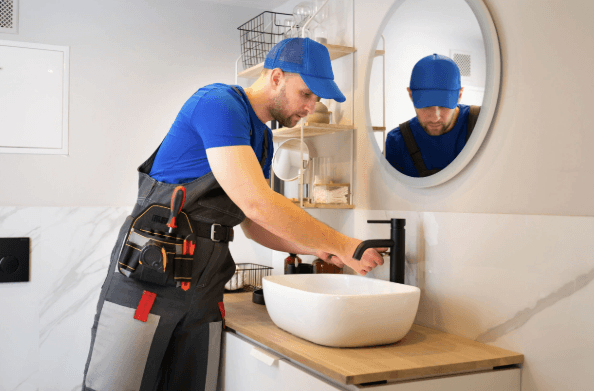
Repairing plumbing fixtures begins with a methodical diagnosis of fittings, joints, valves, and fixtures. Observe pressure, dampness, and sound patterns to locate the fault. Identify worn components—cartridges, gaskets, valve seats, or seals—and disassemble only as needed. Inspect parts, replace worn items, clean aerators, and reassemble to ensure a leak-free, code-compliant result. Safe shutoff valves and essential tools are required, and documenting steps now prevents future emergencies; the next step will reveal where the process adapts to each fixture.
How to Diagnose Common Plumbing Leaks
To diagnose common plumbing leaks, begin with a systematic inspection of likely origins: fittings, joints, valves, and fixtures.
The assessment proceeds with precise observation, documenting inconsistencies in pressure, dampness, or sound patterns.
Fixing pipes and component proximity are evaluated for strain, corrosion, and improper sealing.
Leak detection techniques are prioritized, ensuring safe access, repair planning, and compliance with code-conscious, freedom-centered practices.
Step-by-Step Faucet Repair Basics
Step-by-step faucet repair begins with a precise assessment of the faucet type and its symptoms, identifying whether the issue stems from worn cartridges, valve seats, gaskets, or seals.
The process follows a disciplined sequence: disassemble, inspect components, and substitute worn parts.
Leaky faucet troubleshooting proceeds with careful aerator cleaning and fixture reassembly, ensuring leak-free operation and code-compliant performance.
See also: The Role of Blockchain in Healthcare
Fixing Running Toilets and Clogs
Fixing Running Toilets and Clogs requires a methodical approach to diagnose and correct common failures. The discussion centers on toilet diagnosis and actionable clog fixes, emphasizing repeatable checks: flapper seal, fill valve calibration, and float adjustment. For clogs, apply targeted disassembly and clearance techniques, avoiding over-tigation. Document results, verify flush performance, and proceed with precise, code-conscious remediation.
Safe Shutoff Valves and Tools Every DIYer Should Have
Safe shutoff valves and a core set of tools are essential for any DIY plumbing project. A precise tool kit enables rapid response to leaks and turns off water quickly without risk.
Prioritize shutoff valves, adjustable wrenches, pliers, and a pipe cutter.
Leak detection, preventative maintenance, and documentation ensure reliable systems and sustained freedom from frequent emergencies.
Conclusion
In diagnosing leaks, observe pressure, dampness, and sound patterns; in disassembly, remove only worn parts; in inspection, replace gaskets, seals, or cartridges; in cleaning, freshen aerators and threads; in reassembly, tighten to code, not to overforce; in testing, verify no drips, no runs, no failures; in maintenance, document steps and schedule checks; in safety, employ shutoffs and proper tools; in compliance, confirm fittings meet local codes; in reliability, ensure long-term, leak-free performance.